Installation Guidelines for Corrugated Steel Pipe Systems

Jul. 03, 2026

When it comes to constructing effective drainage systems, Corrugated Steel Pipe (CSP) is a preferred choice due to its durability, cost-effectiveness, and ease of installation. Proper installation is critical to ensure longevity and performance. This article will guide you through the essential installation guidelines for CSP systems, from site preparation and materials selection to proper assembly techniques.

1. Understanding Corrugated Steel Pipe

  • What is Corrugated Steel Pipe?
    • Definition and application of CSP in civil engineering and drainage.
    • Advantages of using CSP, such as strength, flexibility, and resistance to corrosion.
  • Standard Specifications
    • Overview of typical American Standard specifications (ASTM) for CSP.
    • Different diameters and configurations available for specific applications.

2. Pre-Installation Considerations

  • Site Assessment
    • Evaluate the installation site for drainage requirements.
    • Identify soil conditions and potential environmental impacts.
  • Permitting and Regulations
    • Consulting local regulations and obtaining necessary permits.
    • Adhering to environmental protections and best management practices.

3. Materials Needed for Installation

  • List of essential tools and materials for CSP installation, including:
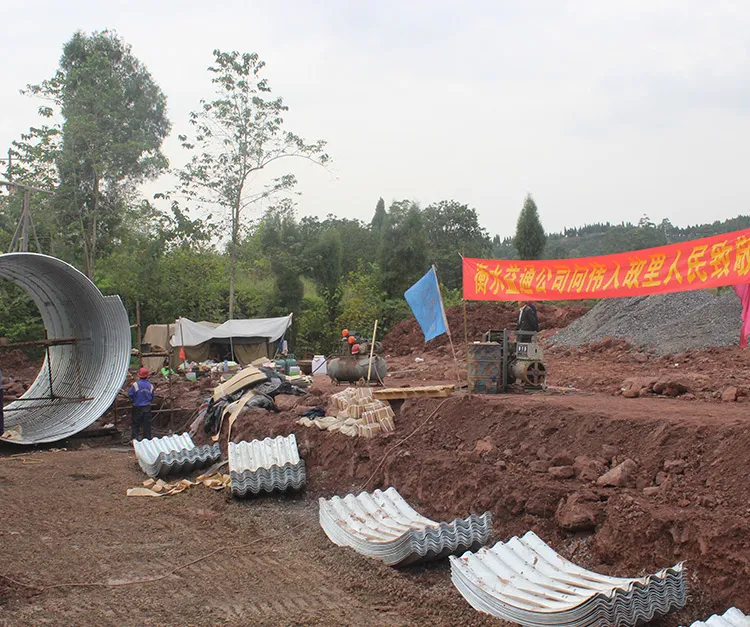
    • Corrugated Steel Pipes.
    • End sections, fittings, and couplers.
    • Concrete or metal anchors for stabilization.
    • Backfill materials suitable for drainage.

4. Step-by-Step Installation Process

  • Excavation
    • How to safely excavate the trench to desired specifications.
    • Trench dimensions for different pipe sizes.
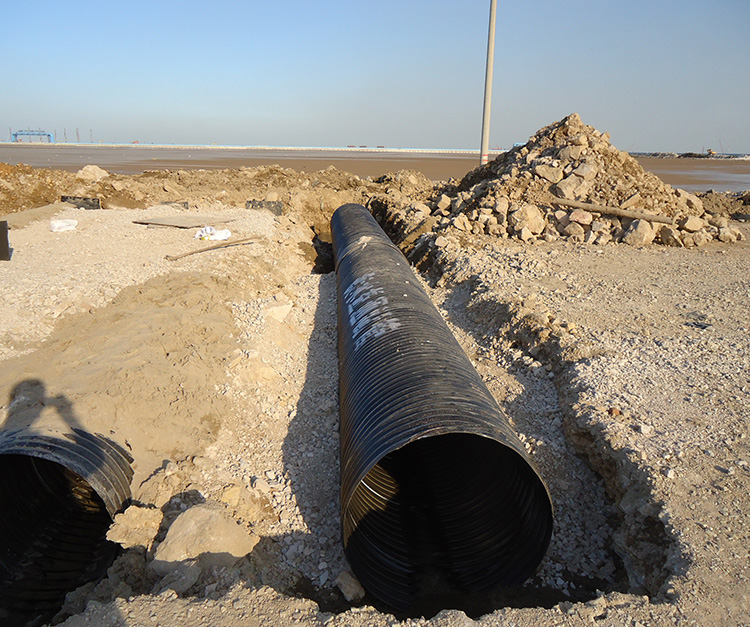
  • Pipe Placement
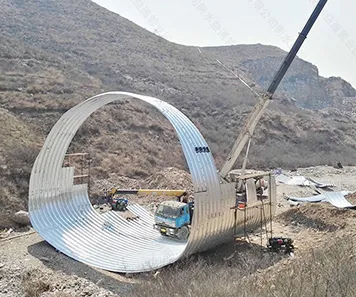
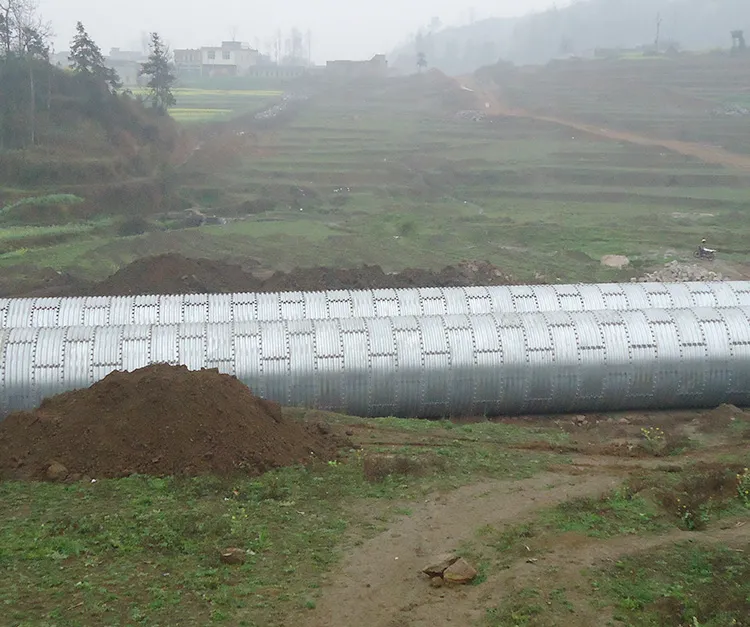
    • Methods for handling and placing CSP in the trench.
    • Importance of aligning pipes and maintaining slope for drainage.
  • Joining Pipes
    • Techniques for securely joining sections of CSP.
    • Use of couplers and ensuring watertight fittings.
  • Backfilling
    • Proper backfill techniques to avoid pipe collapse or deformation.
    • Choice of materials and methods for packing soil around the pipe.

5. Post-Installation Inspection and Maintenance

  • Inspection Guidelines
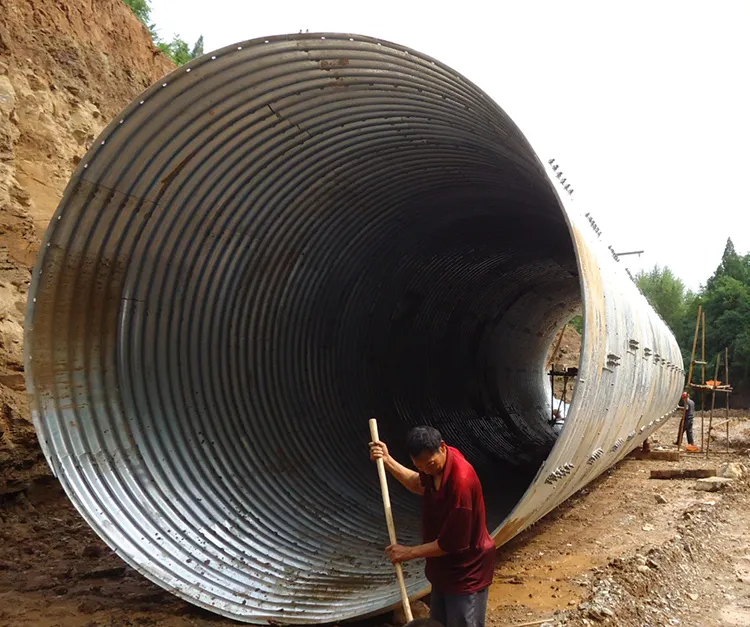
    • Steps for conducting a thorough inspection of the installed CSP system.
    • Identifying potential issues such as misalignment or weak points.
  • Maintenance Practices
    • Routine checks and clearing of potential blockages.
    • Monitoring soil conditions and the structural integrity of CSP.

6. Concluding Remarks and Additional Resources

For successful installation and maintenance of your Corrugated Steel Pipe system, understanding each phase of the process is vital. Adhering to the strategies discussed ensures an effective drainage solution that lasts for years. For further learning, consider visiting authoritative resources like the CSP guidelines from industry experts.

7. FAQs About Corrugated Steel Pipe Installations

  • What is the lifespan of Corrugated Steel Pipes?
    • Discussion of typical lifespan and factors affecting durability.
  • Can CSP withstand extreme weather conditions?
    • Explanation of CSP's resilience and performance in various environmental conditions.

Other Blog

  • Highway ConstructionHighway Construction
  • Mine ProjectionMine Projection
  • Municipal EngineeringMunicipal Engineering
  • Irrigation EngineeringIrrigation Engineering
  • Railway Construction ProjectionRailway Construction Projection
  • Other ApplicationOther Application

Do you need a project solution?

With first-class products and services, and make greater contributions

WeChat
WeChat