Company News
May. 27, 2026
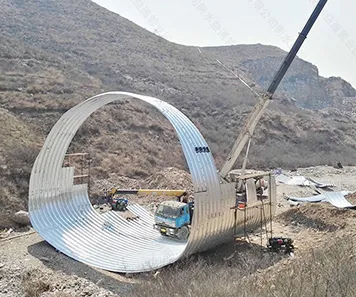
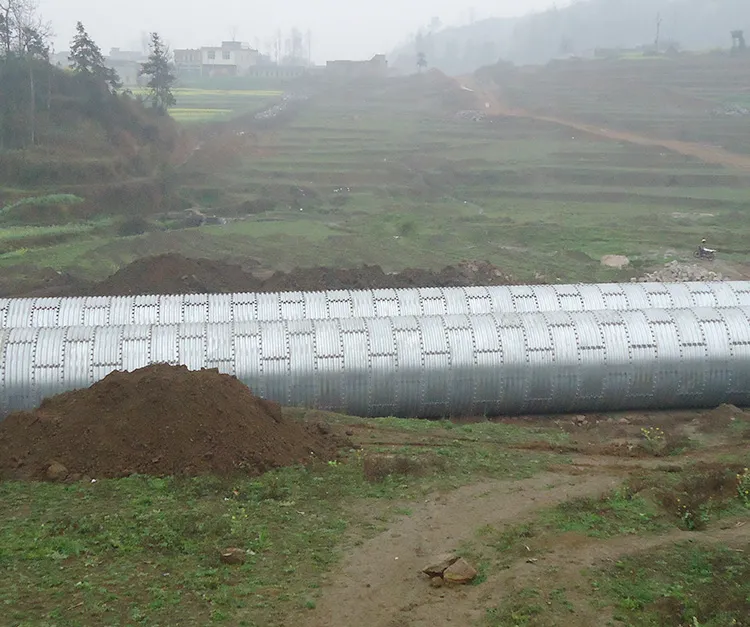
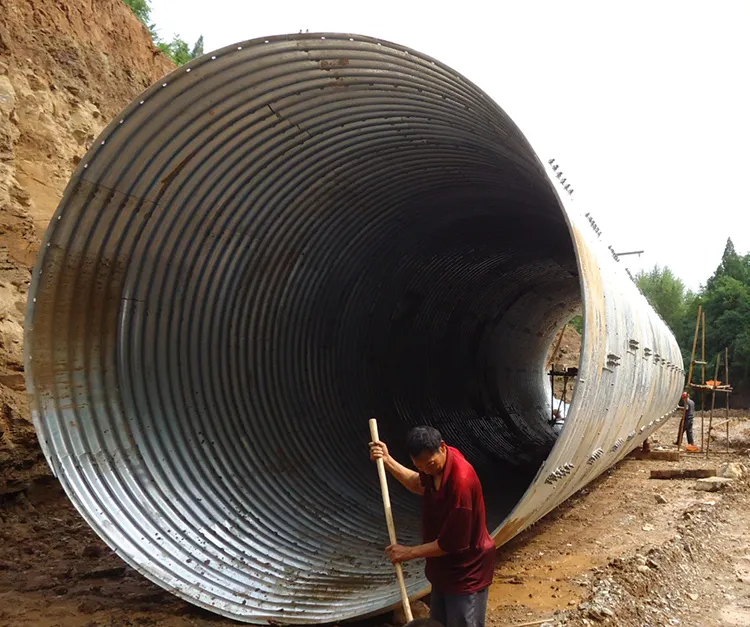
The service life of a Corrugated Steel Pipe system depends on several factors. These factors include material quality, installation practices, and environmental conditions. Corrugated steel pipes are highly effective for various drainage and culvert applications. However, improper maintenance can lead to significant issues over time. Understanding the best practices for maintaining these systems can extend their lifespan. Additionally, regular inspections will help identify potential problems before they worsen. 
The average service life of corrugated steel pipes is between 50 to 100 years with proper maintenance and care. Regular inspections, timely repairs, and appropriate protective coatings can help maximize this lifespan.
Conducting inspections every year is essential. These inspections can spot any corrosion or damage early on. Inspecting joints and seals is critical as well. Early detection of these issues can prevent larger, more costly repairs.
Maintaining clear drainage is vital. Debris can get trapped in and around the pipes. This can lead to water pooling and increased pressure on the pipe walls. Cleaning schedules should be set based on local weather patterns and environmental conditions.
Protective coatings can combat rust and corrosion. Applying these coatings can significantly extend the life of the pipe. This is especially important in environments with high moisture levels or chemical exposure. Consider using a galvanized finish for extra protection.
Location plays a major role in a corrugated steel pipe's lifespan. Pipes in wet or salty environments tend to corrode faster. Understanding your local climate can help in choosing the right materials and maintenance practices.
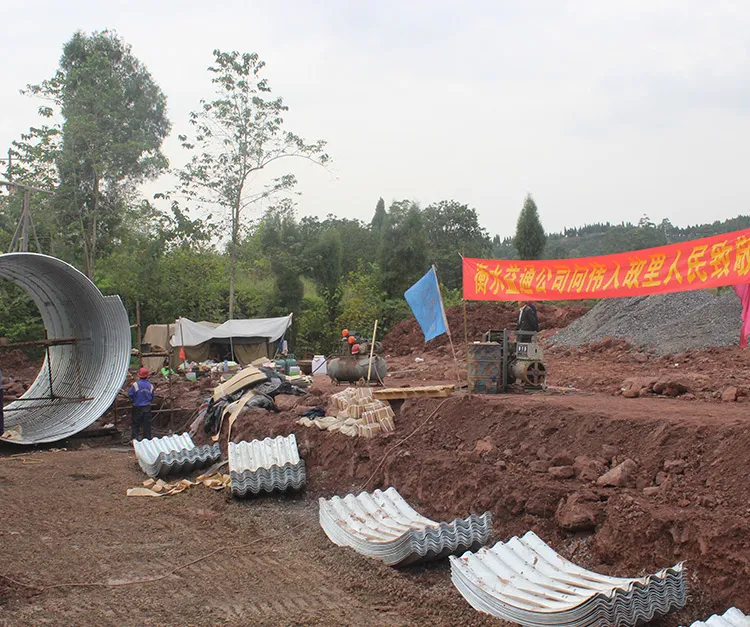
Proper installation is foundational for a durable system. Misalignment, poor drainage slopes, or inadequate bedding can lead to future problems. Hiring experienced professionals can prevent these installation-related issues.
Corrugated steel pipes come in various grades. Higher-end materials often provide better durability and longevity. Researching and selecting the right type based on project needs is key.
Look for signs of warping, leaking, or severe corrosion. When damage is detected, document its extent. This assessment will guide whether repair or replacement is the better option.
Simple repairs can often restore functionality. Methods include patching holes or sealing joints. For larger issues, consider using a slip-lining technique or installing a new pipe inside the old one.
When pipes reach the end of their life, replacement becomes inevitable. This process often requires heavy machinery and professional help. Ensure that any new installations follow updated codes and best practices.
| Maintenance Cost | Potential Repair Cost |
|---|---|
| $500 Annually | $5,000 - $10,000 |
Investing in annual maintenance can save significant money in the long run. Costs of major repairs can outweigh the annual maintenance fees. This makes it evident that regular upkeep is crucial.
In summary, the service life and maintenance of corrugated steel pipe systems are crucial for achieving optimal performance. Regular inspections, cleaning, and appropriate protective measures can significantly extend their durability. Understanding the factors that influence service life, such as environmental conditions and installation quality, also plays a key role.
The typical lifespan ranges from 50 to 100 years with good maintenance.
It is recommended to inspect them at least once a year.
Focus on regular inspections, cleaning, and applying protective coatings.
Minor repairs can often be done personally, but significant issues may need professional assistance.
Signs of persistent leaks, severe corrosion, or significant warping indicate that replacement is necessary.
Other Blog
 Highway Construction
  Mine Projection
  Municipal Engineering
  Irrigation Engineering
  Railway Construction Projection
  Other Application
 Do you need a project solution?
With first-class products and services, and make greater contributions