Company News
Aug. 13, 2024
Corrugated culvert pipes are indispensable in various construction projects, serving as conduits for water flow, drainage systems, and even structural supports. These pipes, made from durable materials such as galvanized steel or high-density polyethylene (HDPE), are known for their flexibility and resilience. However, cutting corrugated culvert pipes accurately requires precision and the right tools to ensure a proper fit and seamless installation. In this guide, we'll explore the methods and tools necessary for cutting corrugated culvert pipes effectively.

Before cutting the culvert pipes, it's crucial to take accurate measurements to determine the required length. Measure twice to ensure precision and avoid costly mistakes. Additionally, gather all the necessary tools and equipment for the cutting process. These may include:
ㆍTape measure
ㆍMarker or chalk
ㆍSaw suitable for cutting the chosen pipe material (e.g., reciprocating saw, circular saw, or handsaw)
ㆍSafety gear such as gloves, goggles, and ear protection
2. Marking the Pipe
Once you have determined the required length, use a marker or chalk to mark the cutting line on the culvert pipe. Ensure that the line is straight and evenly marked around the circumference of the pipe. This marking will serve as a guide for the cutting process and help achieve a clean, precise cut.
3. Choosing the Right Cutting Tool
The choice of cutting tool depends on the material of the culvert pipe. For example:
For galvanized steel pipes, a reciprocating saw with a metal-cutting blade or a circular saw equipped with a carbide-tipped blade is suitable.
HDPE pipes can be cut using a handsaw, reciprocating saw, or circular saw with a fine-toothed blade designed for plastic.
Selecting the appropriate cutting tool ensures smooth and efficient cutting without damaging the pipe.
4. Cutting the Pipe
With the pipe securely positioned, carefully align the cutting tool with the marked cutting line. Exercise caution and maintain a steady hand to achieve a straight cut along the marked line. Apply consistent pressure to the cutting tool, allowing it to penetrate through the material gradually.
5. Finishing Touches
After completing the cut, inspect the edges of the pipe to ensure they are smooth and free from burrs or rough spots. Use a file or sandpaper to remove any sharp edges or imperfections, ensuring a snug fit during installation.
6. Safety Precautions
Throughout the cutting process, prioritize safety by wearing appropriate protective gear, including gloves, goggles, and ear protection. Take precautions to prevent accidents and injuries, especially when working with power tools.
Conclusion
Cutting corrugated culvert pipes requires careful planning, precise measurements, and the right tools for the job. By following the steps outlined in this guide, you can achieve accurate cuts and ensure a seamless installation process. Remember to prioritize safety at all times and inspect the cut pipes for quality and smoothness before proceeding with installation.
For inquiries about corrugated culvert pipes or to find a reliable supplier, please contact us.
Corrugated Metal Pipes (CMP) are widely used in civil engineering, transportation, and water management projects due to their high strength, corrosion resistance, and ease of installation. Below are typical applications with the most suitable product types and benefits.
| Large-Span Culverts or Bridges | Spiral Corrugated Metal Pipe | Ideal for high-volume water discharge. Offers large diameters, excellent structural strength, and fast on-site installation. |
| Highway & Railway Culverts | Helical Corrugated Metal Culvert | Designed to withstand heavy loads and soil pressure. Helical seams enhance integrity and provide smooth water flow. |
| Modular / Nestable Drainage Systems | Assembled Nestable Corrugated Steel Culvert | Designed for compact shipping and quick assembly. Suitable for temporary drainage or hard-to-reach construction sites. |
| Flanged Nestable Structures | Flanged Nestable Corrugated Metal Pipe | Features flanged edges for easy connection and enhanced sealing. Suitable for modular assembly and disassembly. |
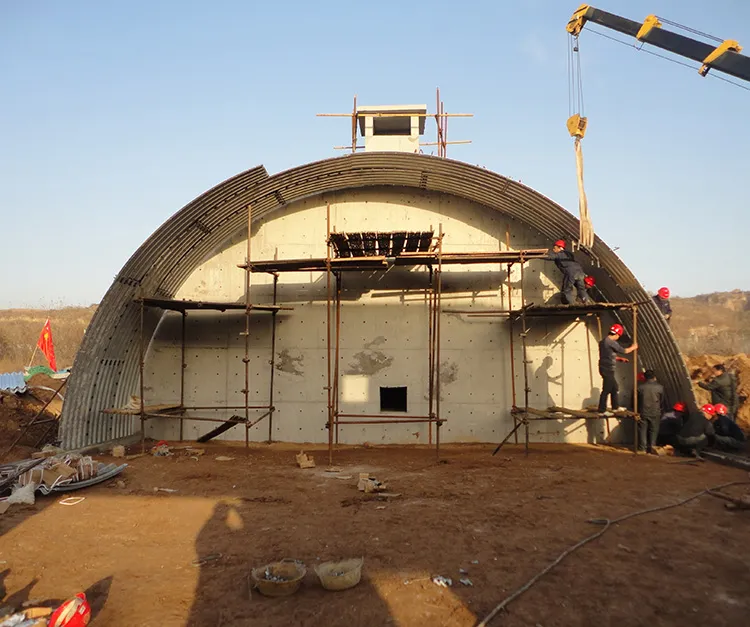
| Bridge Arches & Eco Crossings | Multiplate Corrugated Steel Pipe Arch | Multi-plate arch structures offer high load capacity and wide span. Frequently used in eco tunnels and bridge underpasses. |
| Half-Circle Arch Applications | Corrugated Steel Half Circle Arch | Ideal where height is limited but width is required, such as in agricultural crossings or shallow bridge tunnels. |
| Enhanced Helical Pipe Solutions | Helical Corrugated Steel Pipe | Increased structural strength and corrosion resistance. Common in canal crossings, mining roads, and industrial drainage. |
| Standard Spiral Corrugated Pipe | Spiral Corrugated Steel Pipe | Versatile and widely used in municipal stormwater, farmland irrigation, and culvert rehabilitation. Easy to install and available in various sizes. |
Other Blog
 Highway Construction
  Mine Projection
  Municipal Engineering
  Irrigation Engineering
  Railway Construction Projection
  Other Application
 Do you need a project solution?
With first-class products and services, and make greater contributions